Calm Anxiety Fast: Breathing, Grounding, and Habits
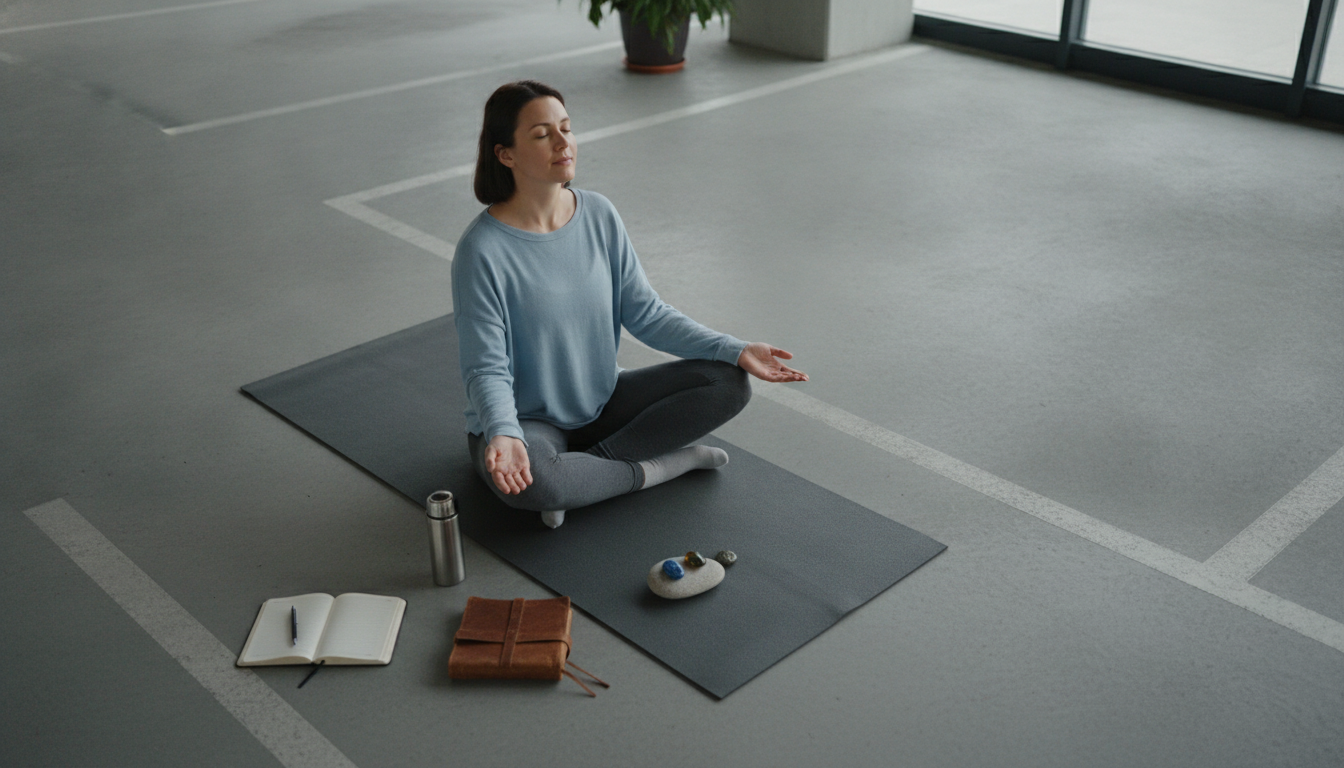
How do I calm my anxiety?
Anxiety can feel like your mind and body are stuck in “high alert.” Calming it usually works best when you address both: lower the physical stress response first, then gently shift your attention and thoughts. If you’re looking for a longer, step-by-step guide, visit https://exquisitehitera.shop/how-do-i-calm-my-anxiety/.
What can I do right now to feel calmer?
Start with a quick reset that tells your nervous system you’re safe. Try “physiological sigh” breathing: inhale through your nose, take a second short inhale to top off, then exhale slowly through your mouth. Repeat 3–5 times. Next, unclench your jaw, drop your shoulders, and plant your feet on the floor to add a sense of steadiness.
How can I ground myself when my thoughts are spiraling?
Use a simple grounding drill: name 5 things you can see, 4 you can feel, 3 you can hear, 2 you can smell, and 1 you can taste. This shifts attention from imagined threats to what’s actually happening around you. If thoughts keep racing, write one sentence about what you’re afraid of, then one sentence about the smallest next step you can take.
What habits help reduce anxiety over time?
Consistency matters more than intensity. Aim for regular sleep and wake times, daily movement (even a 10-minute walk), and steady meals to prevent blood sugar dips that can mimic anxiety. Limit caffeine if you notice jitters, and try a brief “worry window” once a day—set a timer for 10 minutes to write worries, then close the list and return to your day.
When should I seek extra support?
If anxiety is frequent, affects work or relationships, triggers panic attacks, or leads to avoidance, support can make a big difference. A licensed therapist can teach tools like CBT or exposure strategies, and a clinician can discuss whether medication may help. If you ever feel unsafe or at risk of self-harm, seek urgent help immediately.
FAQ
What are signs my anxiety might be turning into a panic attack?
Common signs include a sudden surge of fear, chest tightness, rapid heartbeat, shortness of breath, dizziness, tingling, or feeling detached from reality. Panic attacks are intense but typically peak within minutes and then ease.











Leave a comment